在黑夜里书写自己,就像在 imax 影院里观看自己,所有的感官体验都被放大了。
Tag: 写作
Dkphhh Created@
Dkphhh's MurmurCreated@ Thu May 02 2024 01:14:00 GMT+0800 (China Standard Time)
Mike Grindle Published@
My One Big Text File
I do all my writing in a text file. Not any text file or “text files.” I mean one single .txt file.
All my notes, blog posts, ideas, essays - anything not written in pen or pencil - live in or begin life in this document and its copies. Everything I post online is just a copy-paste.
Sounds chaotic, right? Maybe it is, a little. But not as much as you might think. Personally, I think it’s removed the distractions and fuss of previous workflows I’ve tried.
But to be clear, what I’m about to share is not some productivity hack. It won’t automate your workflow, “link your thinking,” or make writing easy. You could think of it as a lazy man’s PKM. Though it’s more for knowledge dumping than “knowledge management.”
For the record, I think the most “powerful” note-taking and writing system is the one that you find enjoyable to use, allows you to retrieve old ideas, and inspires you to write and think every day. Anything more is superfluous and might actually get in the way.
To this end, a notebook with an index (which I also use) is perfectly viable. As is a folder on your desktop or the note software on your phone.
And so is One Big Text File (OBTF).
What is OBTF?
Using OBTF is not a new idea. It was relatively popular among niche blogosphere circles in the mid-2000s. As far as I can tell from the surviving posts, the concept can be traced back to some observations by tech journalist Danny O’Brien regarding how technologists work.
In any case, the premise behind OBTF is simple. It is the idea of keeping everything - or nearly everything - in one .txt (or .md) file. You might use it to store to-do lists, URLs, meeting notes, a reading log, a calendar, blog entries, essays, or pretty much anything else. However, I wouldn’t suggest using it to store sensitive information like passwords, your darkest secrets or bank details.
Now, you might ask why anyone would remove all the categorization benefits of having separate files and folders. And wouldn’t the result be an unwieldy mess? Well, in my experience, finding things in OBTF is blazingly fast.
To be clear, I don’t scroll through my OBTF looking for things. That really would be hell. I don’t even touch a keypad or a mouse. Instead, I use tags and search. The latter of which can be done using hotkeys found on pretty much any modern text editor.
The base of my daily workflow is reading, thinking, and dumping thoughts that I think are worth remembering or writing (because a note is not always something you need to remember, but often something you need to write to think about) into my file. When there’s something I want to talk about more extensively, I look over my previous notes on the subject and start writing right there in said file.
Once I’ve written and am relatively happy with a long-form piece of writing, I’ll copy it over into a new .md file, run a few grammar-checking scripts (largely pinched from here), convert the .md file into an HTML file using a program called pandoc and upload it to my site (or copy-paste it to wherever I need).
The above may sound like a lot of work, but it mostly happens from my OS’s terminal with a handful of commands. I’m sure a similar workflow could be achieved just as easily using GUI tools.
Again, if the system sounds imperfect, that’s because it is. The appeal is not perfect “knowledge management.” It’s about removing any friction from my workflow.
OBTF lets me throw in knowledge, forget about it, and maybe retrieve it later. It’s kind of like a notebook in that sense. And as far as I’m aware, no one has yet proven there to be a better system than a notebook. So, why not replicate that?
Why would I do this?
What are the benefits of working like this? For me, a few points come to mind:
- Zero distractions (no fiddling with formatting, fonts, plug-ins, or shiny new productivity tools - markdown formatting handles everything)
- Miniscule storage and processing. Even a massive .txt file will run nicely on relatively ancient hardware and lightweight operating systems
- Easy to sync data between computers
- Can “dump” notes without worrying about where they “fit” in a system
- Works with any text editor with search functionality (so, all of them), meaning there’s no fear of client lock-in, software enshittification, or losing access to your data. .txt will always be platform, system, and application-independent
- Everything can be found in one place with relative ease. That means no logging into the cloud or switching between software to find stuff
- Basically, zero task-switching
- It works well with a mouse/keypad-free workflow
- As the text file grows, you can look back at your progress (all those ticked to-do lists) and the progression of your thinking.
Of course, there are potential drawbacks to OBTF as well. If you don’t use tags, things will get lost (I’d argue some things are meant to be lost, but I digress). Also, if you’re not used to working with .txt files or text editors, the lack of inline formatting could be a little disorientating at first.
Nonetheless, I feel like OBTF manages to achieve a lot of the things PKM software promises with none of the fuss, set-up, or anxiety about using the “right” methodology (I probably couldn’t sell you a course on the “right way” to use a One Big Text File. Don’t worry, I don’t want to either). In any case, it works for me.
Final thoughts
I have an inkling that very few people who read this will attempt to implement their own OBTF. This is okay. Despite my personal love for the idea, I don’t want your big takeaway to be that using a big text file is the future. It isn’t.
What I will say is that whatever works, works. And it doesn’t need to be fancy.
Of course, you can keep your notes, ideas, and writing in a cutting-edge PKM program if that works for you. You can also use a notebook, index cards, a big f’n text file, a blog, or just keep a bunch of files in a folder. The truth is that the medium and the tools don’t matter. What matters is that you get that stuff in your head down. Tomorrow’s revelation might just be the fleeting thought you had today.
Further reading
- A Plain Text Personal Organizer by Daniel Lucraft
- Living in a Single Text File by William Hern
- My productivity app is a never-ending .txt file by Jeff Huang
- 赛博苦行僧
Dkphhh Created@
Dkphhh's MurmurCreated@ Sat Dec 23 2023 19:59:00 GMT+0800 (China Standard Time)
在北半球最漫长的夜里
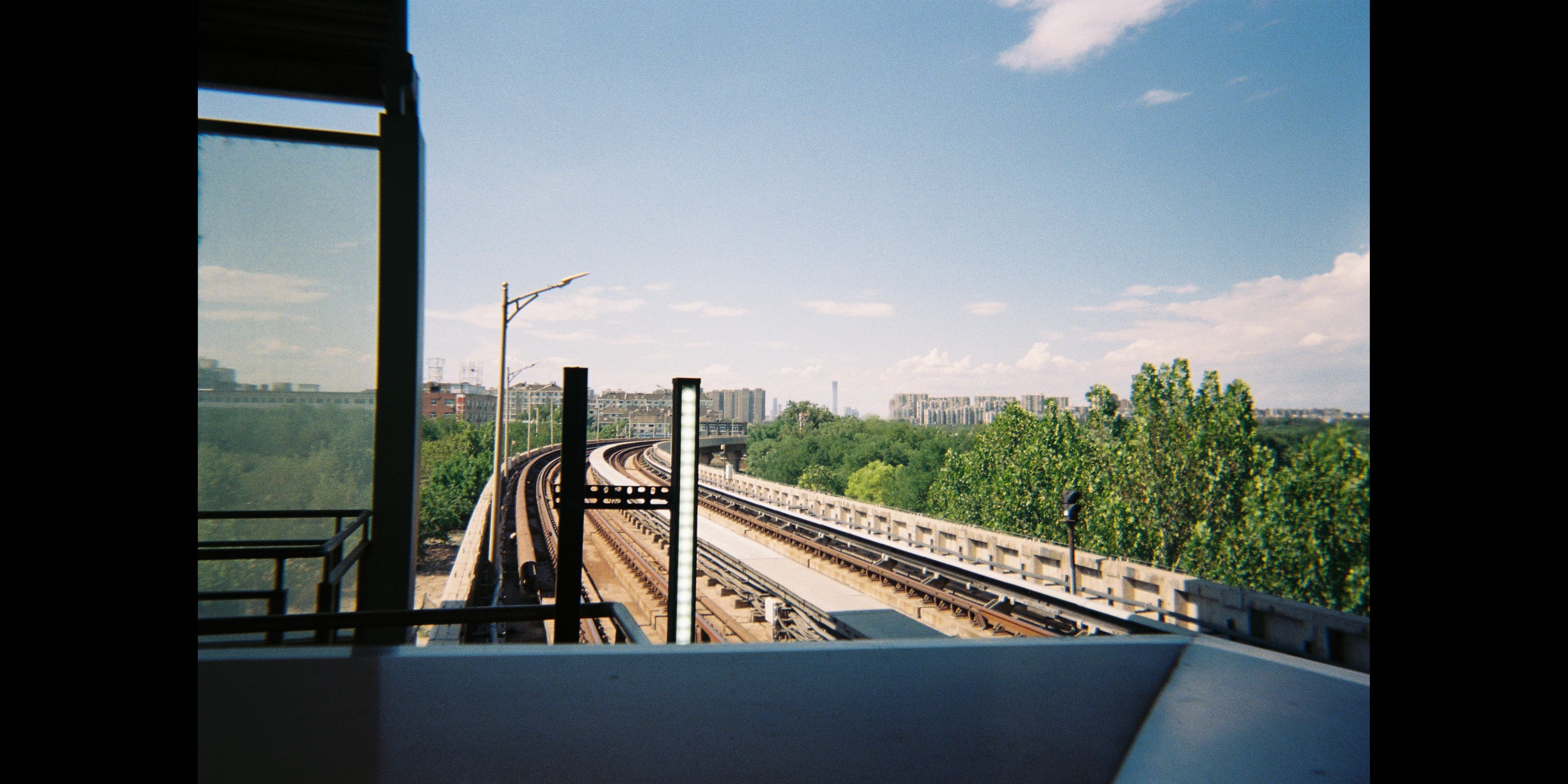
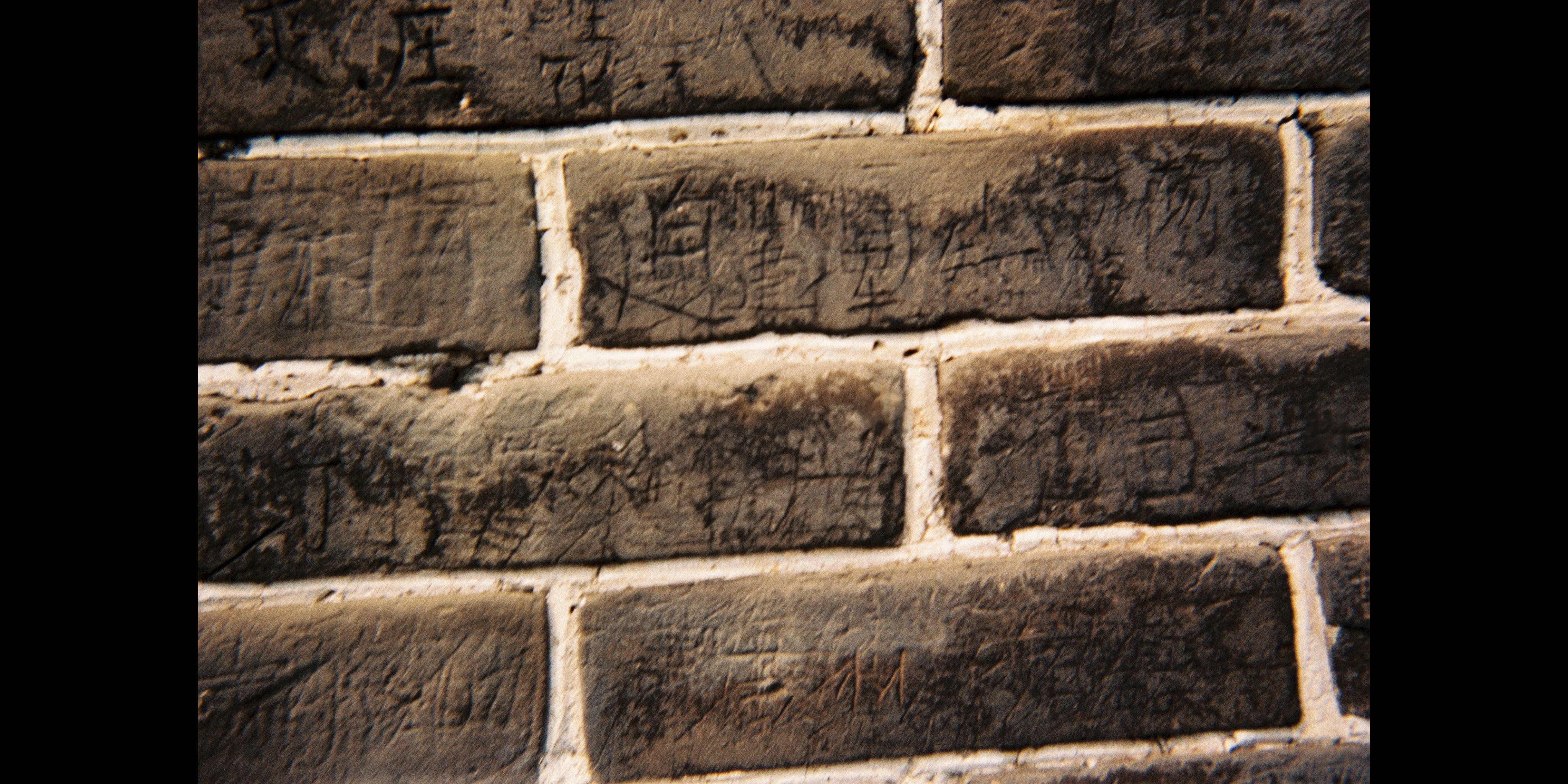

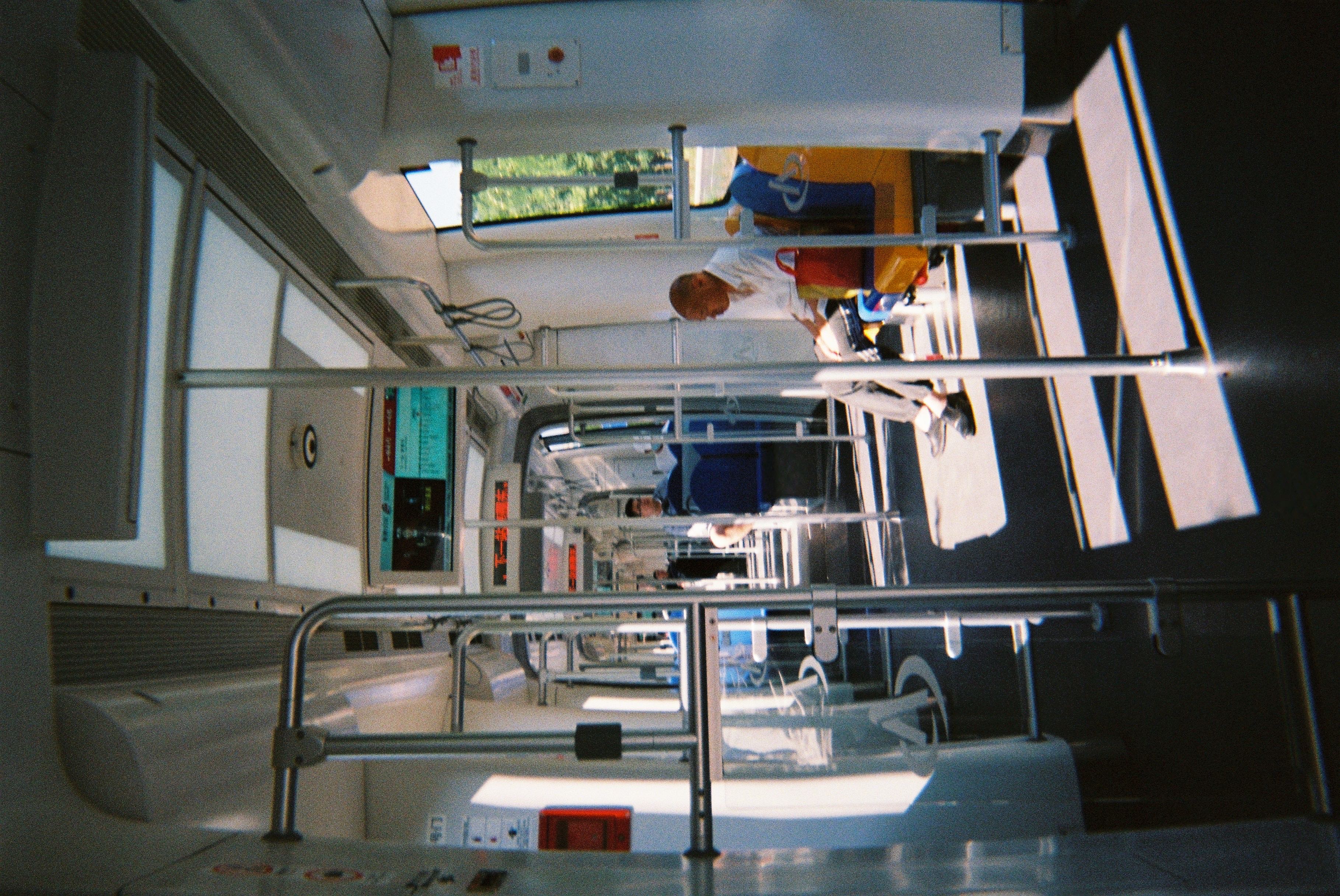
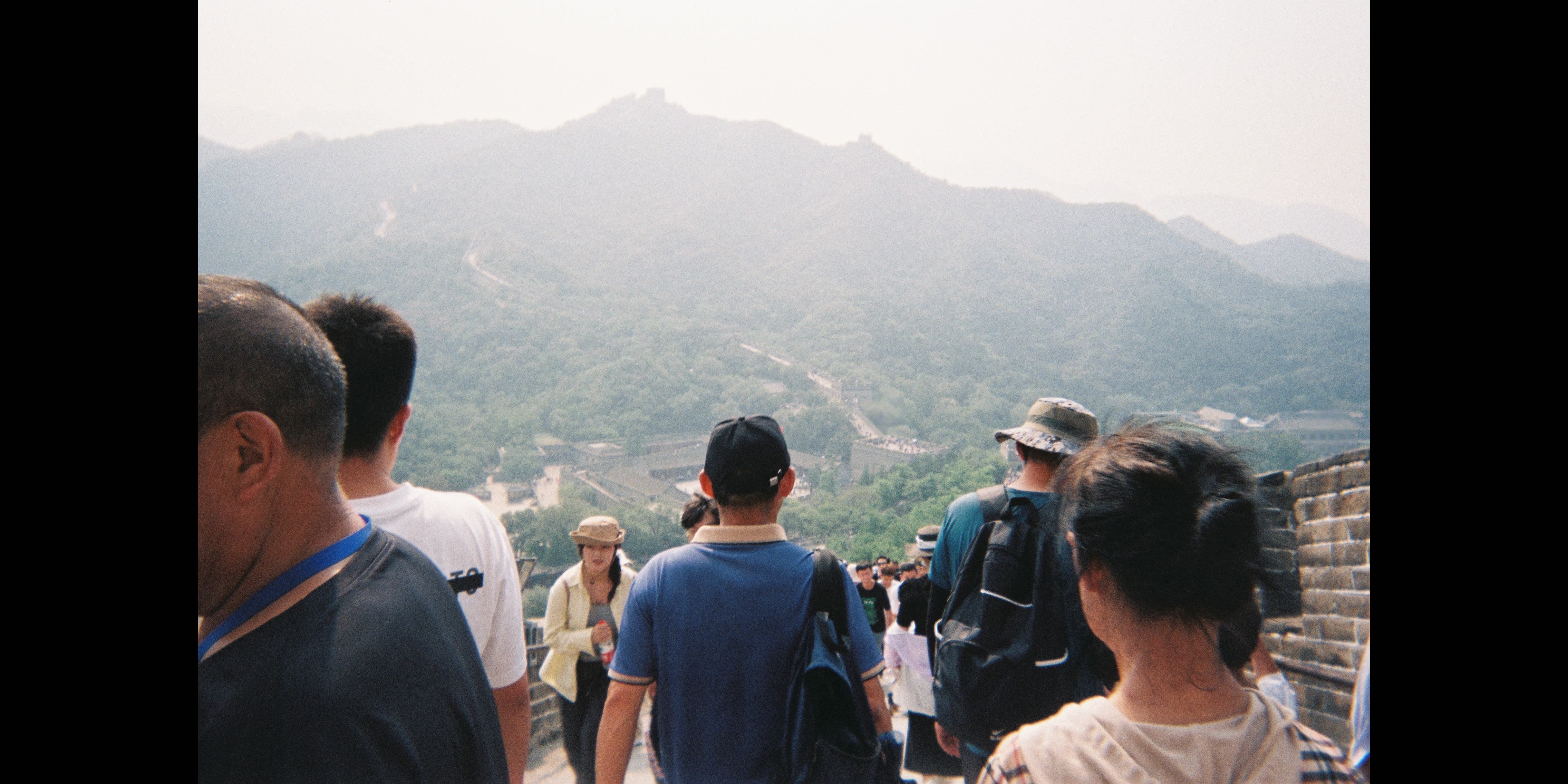
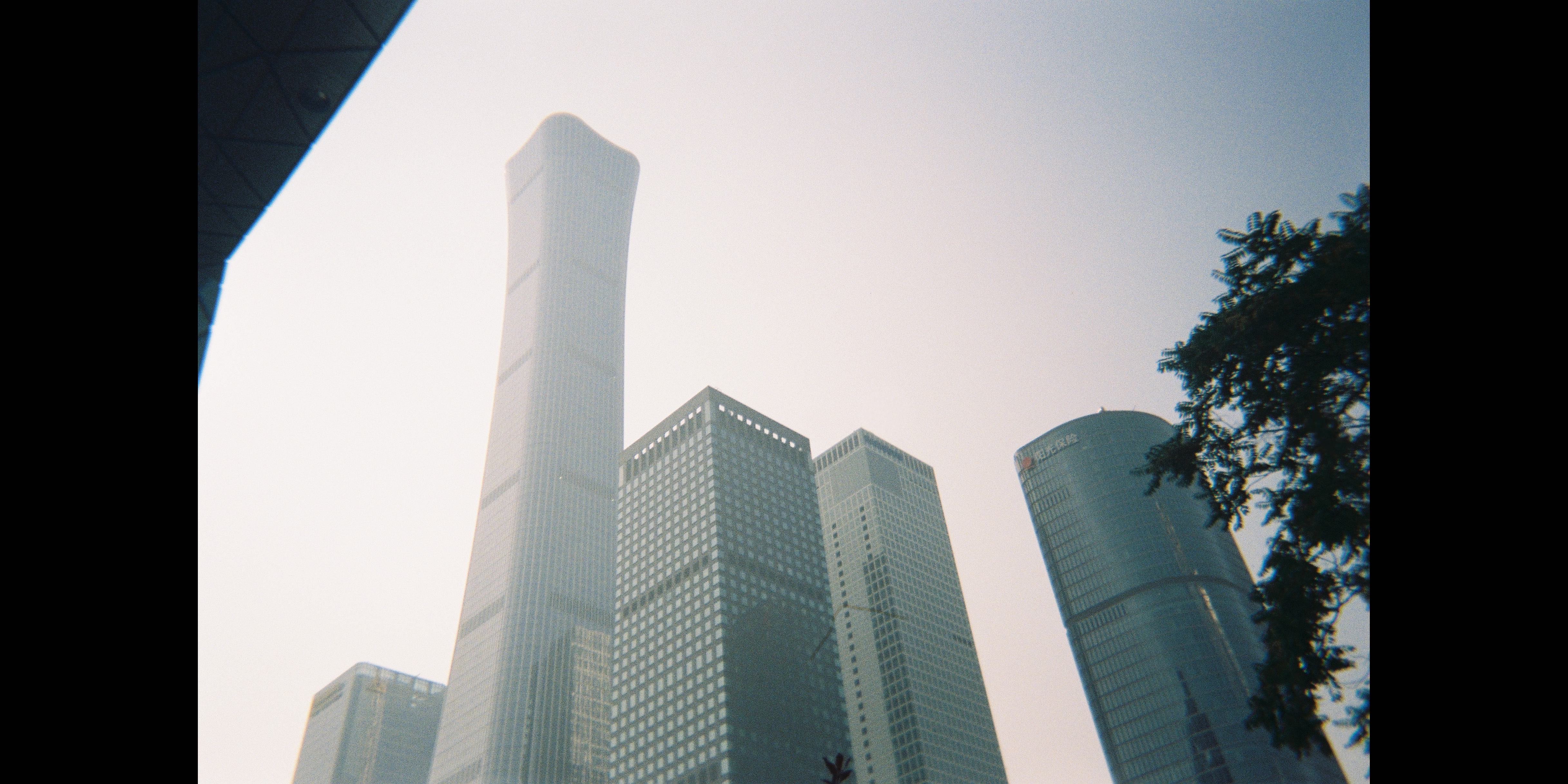
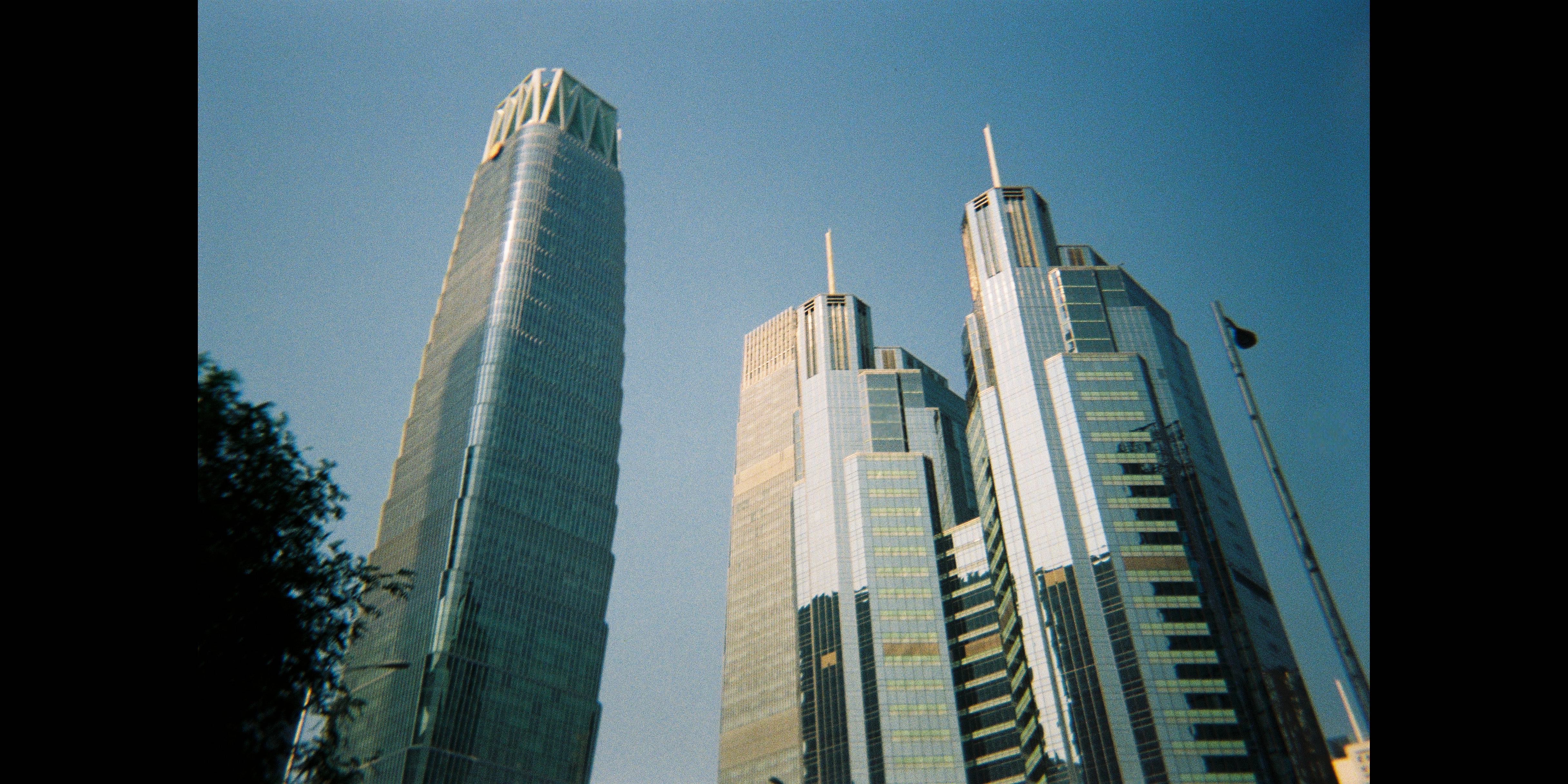
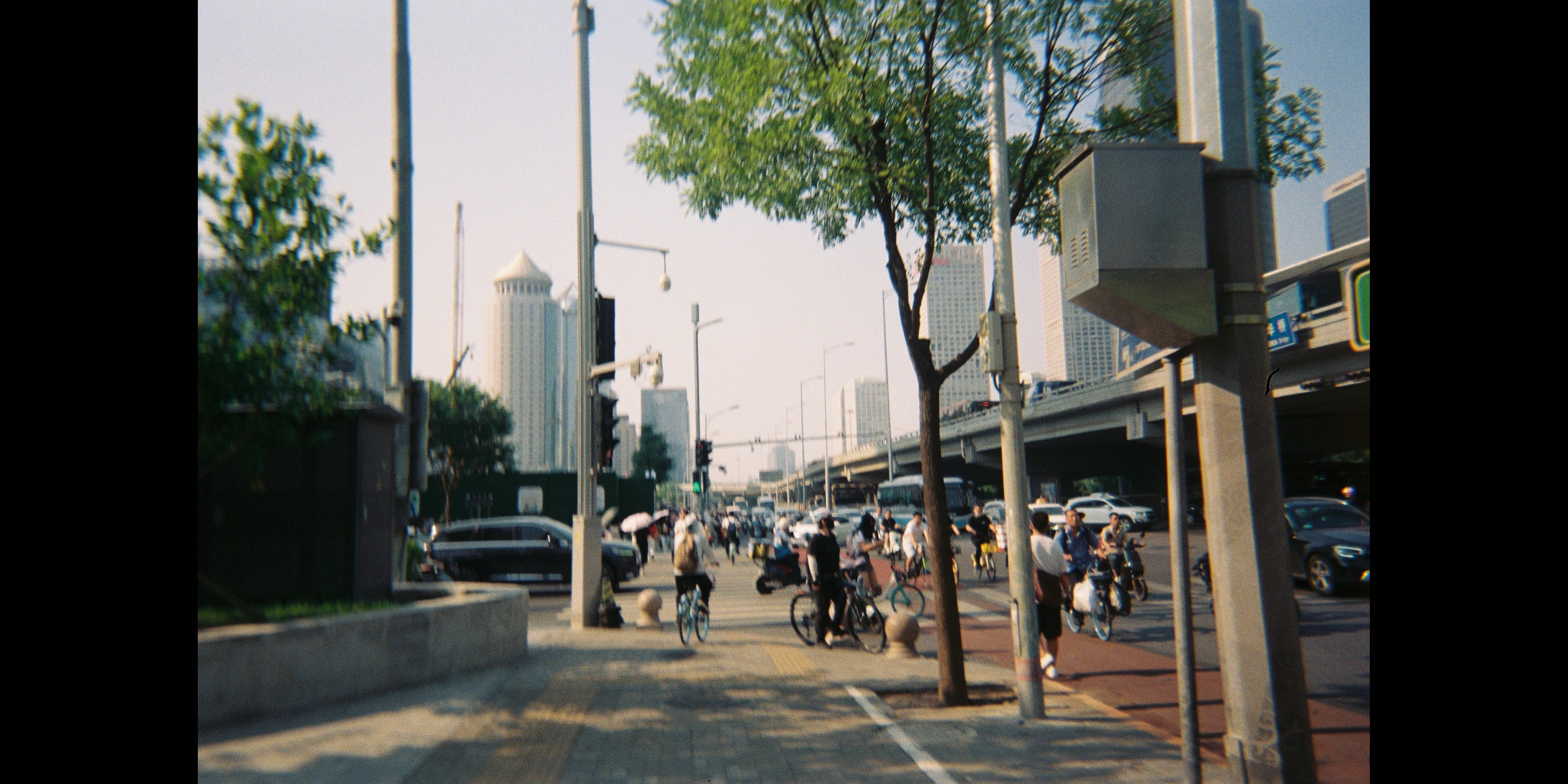
Dkphhh Created@
Dkphhh's MurmurCreated@ Thu Sep 21 2023 20:48:00 GMT+0800 (China Standard Time)
今天下午花了 1 个小时把 blog 的字体改成 iA Writer Mono 了!🥰。真是馋 iA 家的字体啊,但是我控制住了用 iA Writer 的冲动,VSCode 就是最好的(真的不能再装更多 App 了)。
Dkphhh Created@
Dkphhh's MurmurCreated@ Mon Aug 28 2023 22:35:00 GMT+0800 (China Standard Time)
再次感慨,学习最好的方式不是复制粘贴,是用自己的话把知识揭示(没有打错字,就是揭示)出来。
Dkphhh Created@
Dkphhh's MurmurCreated@ Tue Aug 08 2023 00:43:00 GMT+0800 (China Standard Time)
今天又重新整理了一下博客的内容。murmurs 更新换代完成 👍
Dkphhh Created@
Dkphhh's MurmurCreated@ Sun Aug 06 2023 22:49:00 GMT+0800 (China Standard Time)
Markdown 不好写表格怎么办?那就不写表格!
Dkphhh Created@
GPT 擅长做什么
看了吴恩达和 OpenAI 的 prompt 教程,总结一下在 OpenAI 眼里,GPT 擅长做的事情。
1.缩写、提取关键信息、总结主题
缩写大家都理解,提取关键信息就举个例子吧。
「小明和小红一起去上学」,你让 GPT 提取出这段文本中的名字,GPT 能准确识别出是「小明」和「小红」。
总结主题就是更进一步,概括这段文本和什么主题(或者话题)有关。OpenAI 的官方案例是让它分析新闻,然后给新闻打标签。
这其实是一个特别了不起的能力,因为要做到这一点,GPT 首先要理解「名字」以及它输出的各个标签是一个什么概念。
OpenAI 在官方教程里用很多案例侧面展示了 GPT 的这一能力,意味着 GPT 擅长提取信息。这进一步说明,它已经准确理解了人类世界的各种概念,它的脑袋里有一幅现实世界的「全景图」。
2.分析情感
如果说提取信息是 GPT 理性的一面,这个能力就是他感性的一面。
GPT 不仅能感知一段文本的情绪是正面的还是负面的,还能根据你提供的各个维度进行判断,例如是否愤怒、是否信任、是否伤心、是否开心。
这个能力不仅意味着 GPT 知道什么是快乐、什么是悲伤、什么是愤怒,还意味着他还能透过文本感知到。这也就是为什么 GPT 能被训练成 Ai 伴侣。
我在看到这个案例后的第一反应,就是 GPT 可以成为一个「聊天气氛分析机」,或许以后的 Dating App 都可以内置一个 Ai 助手,为你分析聊天对象的情绪状态。
GPT 也可以成为一个恋爱教练,帮你复盘。把你失败的聊天记录输入进去,它能告诉你,对方是在什么时候对你失去了兴趣。
3.翻译/修改语法错误
这个没有太多可说的,目前 GPT 的翻译能力远高于 DeepL、Google 翻译等传统翻译服务。不过 GPT 的翻译更接近意译,不是那种会把所有单词和语法点都照顾到的传统翻译,所以我还会让 GPT 给我讲解句子的关键语法和单词。
4.扩写/创作文本
这是我最常用的能力,给定要求,GPT 就能创作文案。可能是因为我在工作中用的比较频繁,我对它这个能力的负面感受比较多。就我个人经验,GPT 更适合创作「片汤话」。Open AI 的官方用例在在讲到这里的时候提到了可以通过调节温度系数(temperature),让 GPT「更有创造力」,也就是输出更多你意想不到的内容。我也试着调节温度参数,但在撰写中文文案的情况下,调节温度参数就会出现胡言乱语,参数越高,胡言乱语越多。
Dkphhh Created@
Dkphhh's MurmurCreated@ Mon Apr 03 2023 01:14:00 GMT+0800 (China Standard Time)
我是一本渴望读者的书。